
Free guides · UK non-traditional homes
Free, plain-English guides to non-traditional homes
Own, buying or selling a concrete or steel-framed home? Find your house type, see what lenders' published criteria say, and learn what evidence you need, all in one place and free to read.
Free guides
For every main house type, with sources linked and dates shown.
No mortgage or legal advice
We summarise lenders' published criteria and link to them.
Sources you can check
Links open the original page. We show the date we last checked.
Owned by Tailored Digital
One survey partner, named on our How we work page.
The house types
Find your house type
- Poured concrete
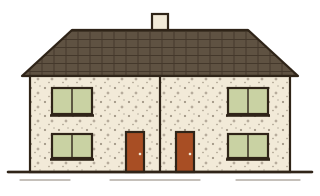 Poured concrete
Wimpey No-Fines
Not designatedPoured concrete. Not on the national designated list; several lenders accept it.
Read the guide - Precast concrete
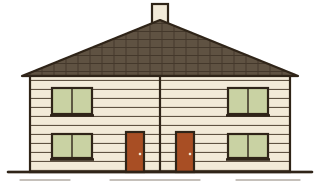 Precast concrete
Airey
DesignatedPrecast concrete with horizontal panels. Designated defective; repair history is key.
Read the guide - Precast concrete
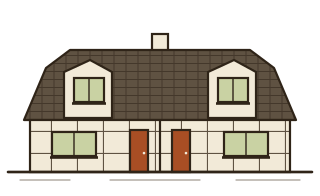 Precast concrete
Cornish Unit
DesignatedPrecast concrete, Type 1 and Type 2. Designated defective.
Read the guide - Precast concrete
 Precast concrete
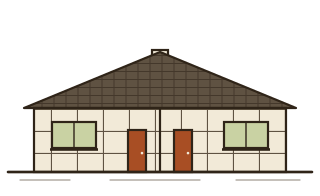
Woolaway
DesignatedPrecast concrete houses and bungalows. Designated defective.
Read the guide - Steel frame
 Steel frame
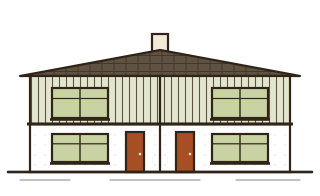
BISF
Not designatedPost-war steel frame with metal-clad upper floor. Not designated, but some big lenders exclude it.
Read the guide - Precast concrete
 Precast concrete
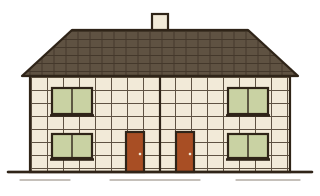
Orlit
DesignatedPrecast concrete frame and small panels. Designated defective.
Read the guide - Steel frame
 Steel frame
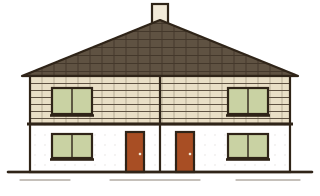
1960s and other steel frame
Not designatedSteel systems from the 1920s onwards. Lenders often want a structural engineer's report.
Read the guide - Precast concrete
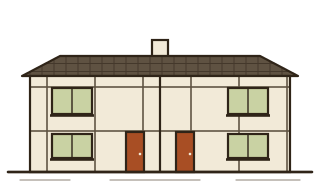 Precast concrete
Reema
Some systems designatedConcrete panel systems. Only the Hollow Panel is on the designated list.
Read the guide - Precast concrete
 Precast concrete
Unity and other PRC types
DesignatedUnity and Butterley, and the full national designated list.
Read the guide
From the field
What a structural repair can involve
Walls opened up, hidden structure exposed and new walls built.

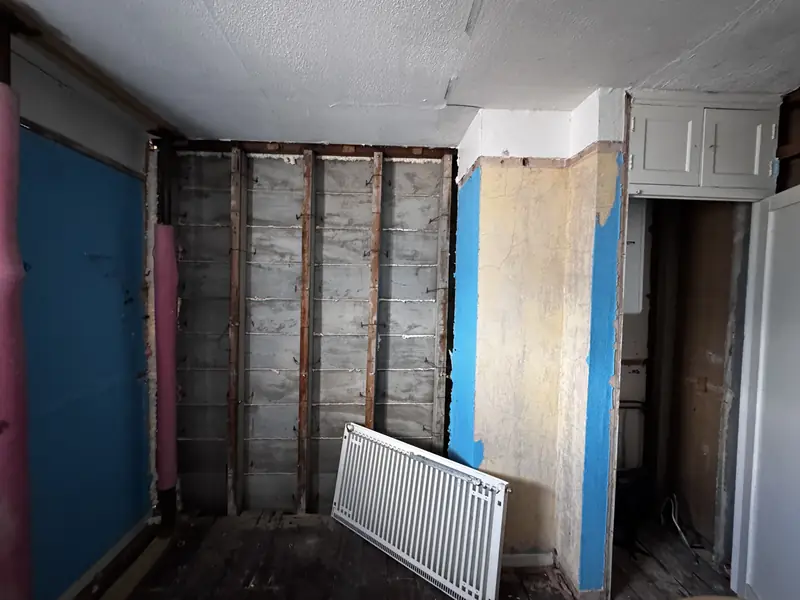

Field photo from a repair to a non-traditional house. Shown to illustrate the work, not a particular house type.
Why it matters
Why non-traditional homes need different advice
England's housing survey counted about 1.2 million non-traditional homes in 2011, around 5.3% of the stock, defined as homes with a concrete or steel load-bearing structure (English Housing Survey 2011). In Wales, 8% of dwellings were non-traditional in 2017-18: 4% timber or steel frame and 4% concrete (Welsh Housing Conditions Survey 2017-18).
Wales has a higher share than England, so these questions come up often for Welsh buyers and owners. In Wales, Right to Buy ended on 26 January 2019 (Welsh Government), so most former council homes changing hands there are resales.
Many of these homes are perfectly good places to live. But lenders' valuers note the construction, some types are designated defective under housing law, and the paperwork that proves a repair is often missing. Knowing your type early saves time, money and failed sales.
1.2 million
Non-traditional homes in England in 2011, around 5.3% of the stock.
English Housing Survey 2011How it works
How this site works
Our guides are free general information. They are not a survey, legal advice or mortgage advice.
Find your house type
Free guides for every main house type, with sources linked and dates shown.
Check what lenders say
No mortgage or legal advice. We summarise lenders' published criteria and link to them; we do not recommend lenders.
Need a survey?
One partner for surveys. If you want a specialist survey, our form passes your enquiry to one partner firm. We are paid when a referral leads to work. See How we work.
How we work and how we are paid
We pass survey enquiries to one partner firm, who pay us a fee for successful referrals. How we work
Sources
Links open the original page. Lender criteria change often; we show the date we last checked.