
Non-traditional house types: find and identify yours
Each guide covers how to recognise the type, its history, common problems, what lenders' published criteria say, what survey to get, and FAQs.
Not sure where to start? Read What is non-standard construction? first.
The house types
House-type guides
- Poured concrete
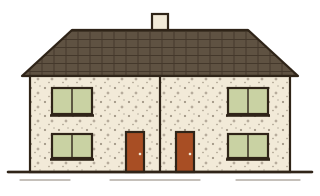 Poured concrete
Wimpey No-Fines
Not designatedPoured concrete. Not on the national designated list; several lenders accept it.
Read the guide - Precast concrete
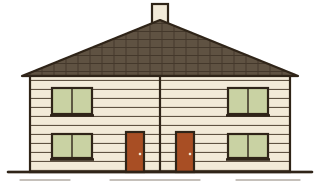 Precast concrete
Airey
DesignatedPrecast concrete with horizontal panels. Designated defective; repair history is key.
Read the guide - Precast concrete
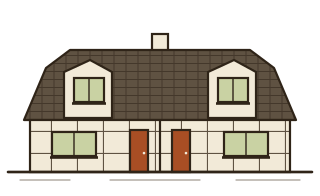 Precast concrete
Cornish Unit
DesignatedPrecast concrete, Type 1 and Type 2. Designated defective.
Read the guide - Precast concrete
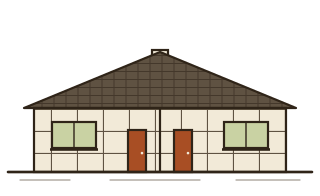 Precast concrete
Woolaway
DesignatedPrecast concrete houses and bungalows. Designated defective.
Read the guide - Steel frame
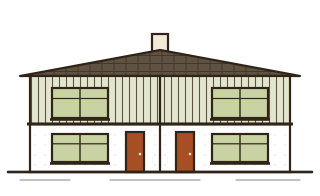 Steel frame
BISF
Not designatedPost-war steel frame with metal-clad upper floor. Not designated, but some big lenders exclude it.
Read the guide - Precast concrete
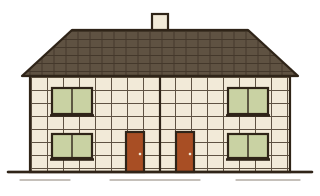 Precast concrete
Orlit
DesignatedPrecast concrete frame and small panels. Designated defective.
Read the guide - Steel frame
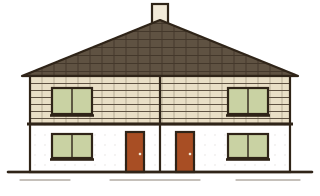 Steel frame
1960s and other steel frame
Not designatedSteel systems from the 1920s onwards. Lenders often want a structural engineer's report.
Read the guide - Precast concrete
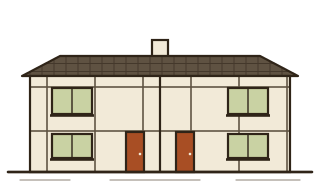 Precast concrete
Reema
Some systems designatedConcrete panel systems. Only the Hollow Panel is on the designated list.
Read the guide - Precast concrete
 Precast concrete
Unity and other PRC types
DesignatedUnity and Butterley, and the full national designated list.
Read the guide
The main groups
Poured (in-situ) concrete
Walls cast on site in shuttering, such as Wimpey No-Fines and Laing Easiform. These are not on the national list of designated types, which applies in England and Wales (Hansard; SI 1988/923), and several lenders accept them.
Precast reinforced concrete (PRC)
Factory-made concrete parts assembled on site, such as Airey, Cornish Unit, Orlit, Woolaway and Unity. Many PRC types are designated defective in England and Wales.
Large panel systems
Storey-height concrete panels, such as Reema. Lenders often have separate rules for large panel system houses and flats.
Steel frame
BISF and other steel-framed systems. Not designated, but lenders often ask for a structural engineer's report.
Not sure what you have?
Start with paperwork: the title, any earlier survey, and council records if the home was once council-owned. Then use our checklist. A surveyor can confirm the type without damaging the house.
Sources
Links open the original page. Lender criteria change often; we show the date we last checked.